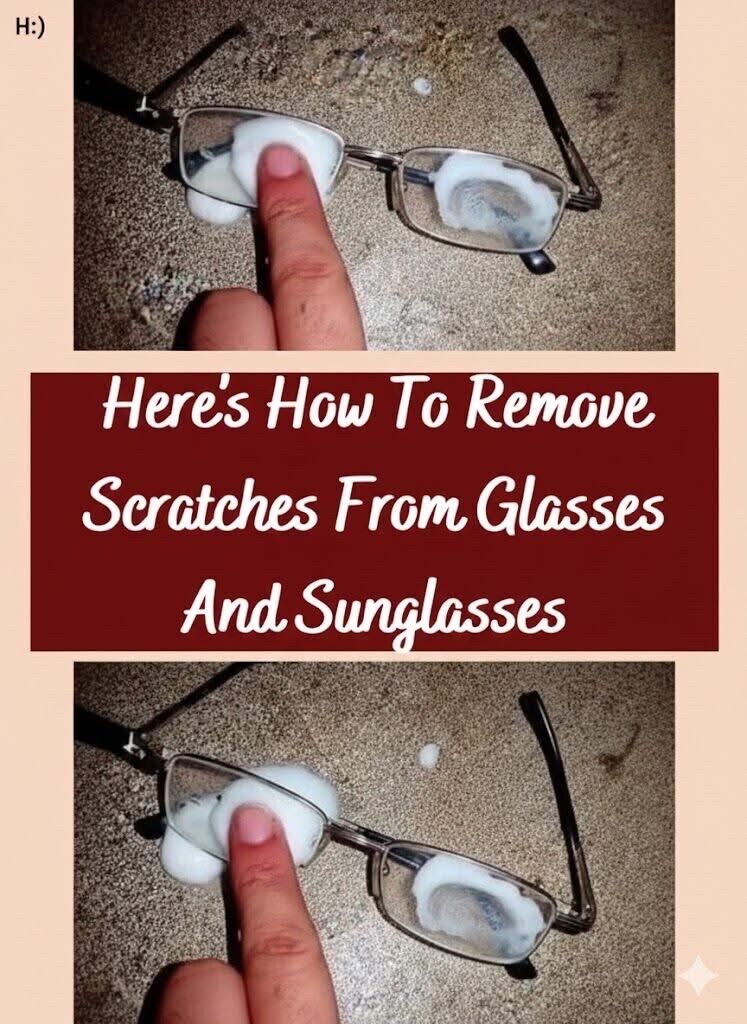
Scratched glasses are frustrating because they affect something we rely on constantly: our vision. Even tiny scratches scatter light, create glare, and force the eyes to work harder, often causing headaches, eye fatigue, and a sense that something is off. The emotional impact can feel larger than the scratch itself, especially when glasses are expensive or essential.
A scratch isn’t just surface residue; it’s physical damage where material is displaced. Light no longer passes evenly, and while optical labs can sometimes resurface lenses, it’s rarely cost-effective. At home, no method can truly repair missing lens material. Most remedies at best polish surrounding areas or temporarily fill scratches, and aggressive attempts can worsen the problem. Modern lenses often have coatings for anti-reflective, UV, and blue-light protection, which are delicate and easily damaged.
Baking soda paste is a common home remedy. On older, uncoated lenses, it can slightly smooth edges of superficial scratches, making them less reflective. However, the margin between gentle polishing and damage is narrow, and coated lenses can be ruined. It’s only suitable for old, uncoated lenses nearing the end of their life.
Toothpaste is another popular suggestion, based on its ability to polish enamel. In reality, most toothpaste abrasives are far too harsh for lenses. Very gentle application on uncoated lenses may slightly reduce hairline scratches, but more often it removes coatings, creates haze, or adds new scratches.
Some use plastic fillers or polishes. These temporarily fill scratches, reducing visibility, especially on sunglasses or spare glasses. However, the effect is short-term and can interfere with coatings or smear under heat or moisture.
Scratched lenses can also affect eye health. Scratches in the line of sight force constant adjustments, increasing glare, eye strain, and fatigue. Symptoms like headaches or dry eyes may actually stem from damaged lenses rather than aging or screen use.
Replacing scratched lenses is often the safest solution. Modern lenses are more durable and comfortable, and many optical providers offer lens-only replacements or discounts.
Preventing scratches is key. Using microfiber cloths, proper cleaning solutions, and protective cases, while avoiding paper towels or clothing fabrics, reduces micro-abrasions. Prioritizing clarity and comfort protects both vision and eye health.